The 25th anniversary of the Croatian Ombudsman institution to be marked in May

Date of article: 19/04/2017

Daily News of: 28/04/2017

Country:  Croatia

Author:

Article language: en

The Ombudsman institution was introduced in the Croatian legal system at the very beginning of the country’s independence, by the 1990 Constitution. However, further requirements for the beginning of its work were met two years later, by entering into force of the Ombudsman's Act. On the occasion of the 25th anniversary of the Act, the Ombudswoman Lora Vidović is organising a high level international conference „Reclaiming human rights in Europe: How to enhance the democratic space?“ on 11-12 May 2017 in Zagreb.  

Under the auspices of the speaker of the Croatian parliament and with participation of the highest Croatian public officials as well as the representatives of international organisations and institutions from wider Europe, the Conference aims to confirm the importance of human rights in enhancing the democratic space, by exploring three pressing interrelated issues: counter-terrorism, freedom of expression and living together.

This event will also offer an opportunity to reaffirm the crucial role human rights defenders, including national human rights institutions, ombudsmen and equality bodies, play in preserving democracy and the rule of law, by bringing the voices of right-holders, especially the most vulnerable in societies.

You may find the Conference agenda attached below.

Read more

Infobroschüre des Vorarlberger Monitoringausschusses im neuen Kleid

Date of article: 26/04/2017

Daily News of: 28/04/2017

Country:  Austria - Vorarlberg

Author:

Article language: de

Der Vorarlberger Monitoringausschuss freut sich, Ihnen die neu überarbeitete Infobroschüre „VMA- Menschenrechte. Für alle Menschen.“ vorstellen zu dürfen. Für alle Menschen wurde besonders auf eine barrierefreie Gestaltung und „Leichter-Lesen“ geachtet. Mit der neuen Darstellung hoffen wir Ihnen, einen guten Überblick über die Tätigkeiten und Aufgaben des Vorarlberger Monitoringausschusses geben zu können.

Wenn Sie weitere Fragen haben oder noch mehr Informationen wünschen, nehmen Sie mit uns Kontakt auf.

Die Broschüre ist hier als Download  verfügbar.

Read more

Veranstaltungshinweis: „Barrierefreiheit im öffentlichen Raum“

Date of article: 21/04/2017

Daily News of: 28/04/2017

Country:  Austria - Vorarlberg

Author:

Article language: de

Selbstbestimmung und barrierefreie Teilhabe am gesellschaftlichen Leben sind in der UN-Behindertenrechtskonvention festgeschrieben.  Der Vorarlberger Monitoring-Ausschuss lädt daher  zu seiner zweiten öffentlichen Sitzung zum Thema

„Barrierefreiheit im öffentlichen Raum“
am 31.05.2017 von 13.00 Uhr bis 17.00 Uhr
im Vorarlberger Museum in 6900 Bregenz

Neben Fachvorträgen und Erfahrungsberichten sollen vor allem betroffene Menschen zu Wort kommen. Menschen mit Behinderung sollen sagen, wie sie leben wollen, damit sie nicht diskriminiert sind. Der Monitoring-Ausschuss ist diesen Anliegen verpflichtet.

Anmeldungen sind telefonisch unter +43 5574/47 027 oder per E-Mail unter vma@landesvolksanwalt.at möglich.
Nähere Informationen können Sie der beiliegenden Einladung (in Leichter Lesen-Version) entnehmen.

Wir bitten Sie beiliegendes Plakat auszudrucken und an gut sichtbare Stellen aufzuhängen.

Die Mitglieder des Vorarlberger Monitoringausschuss freuen sich über Ihre Teilnahme.

Read more

Torture by the police: the Commissioner for Human Rights explains how to prevent it

Date of article: 19/04/2017

Daily News of: 28/04/2017

Country:  Poland

Author:

Article language: en

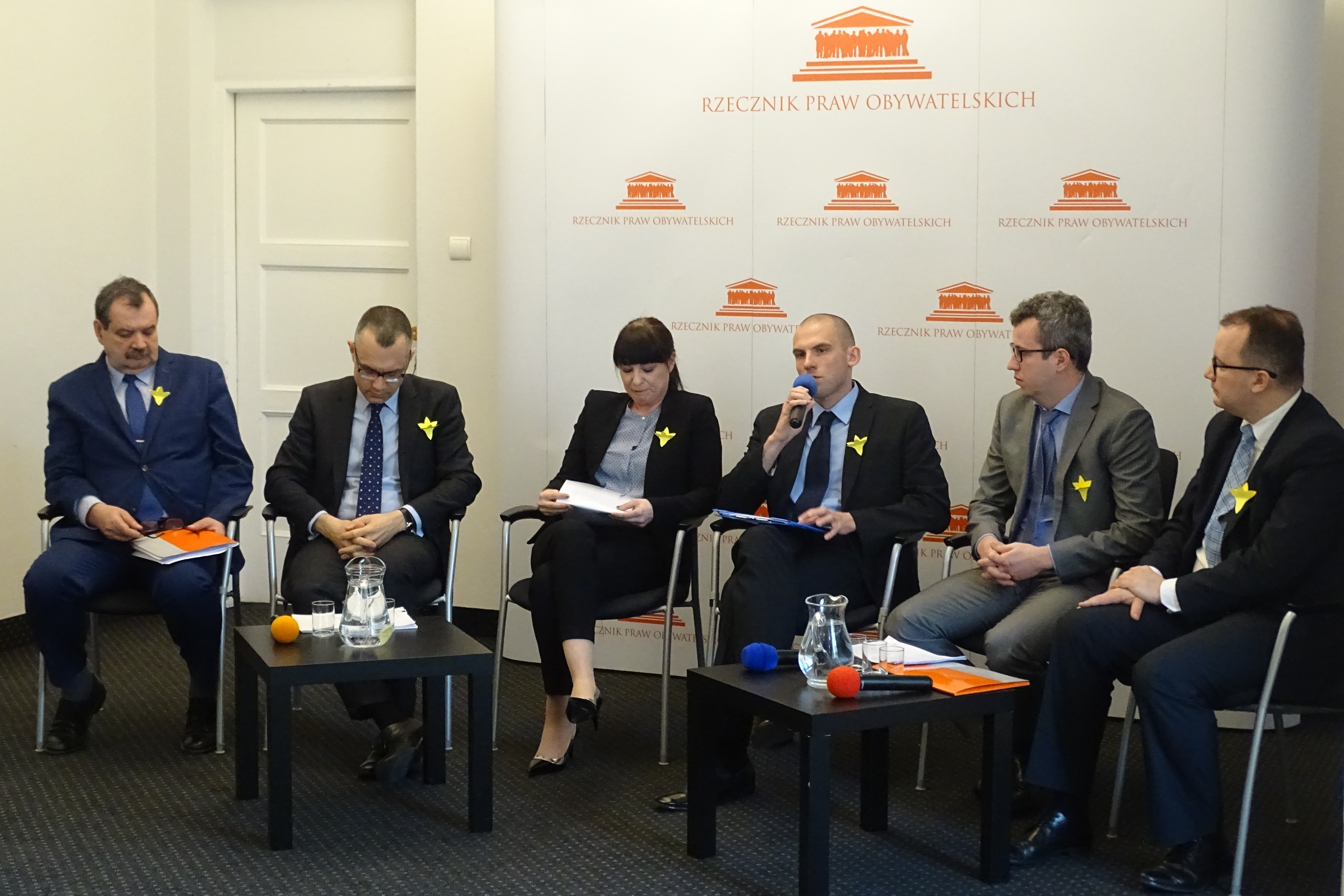
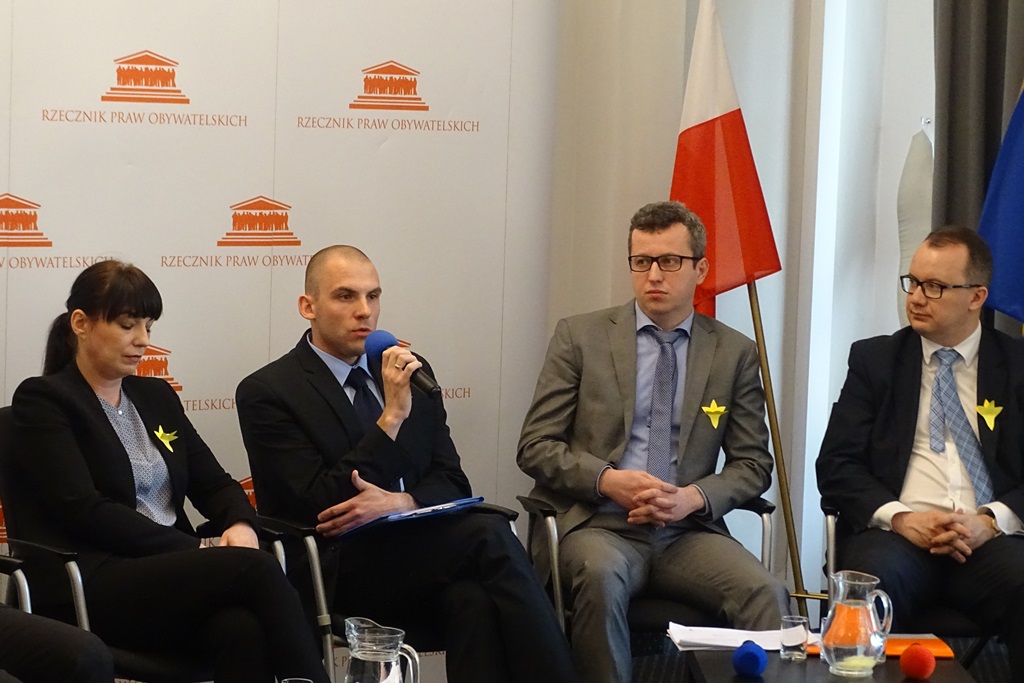
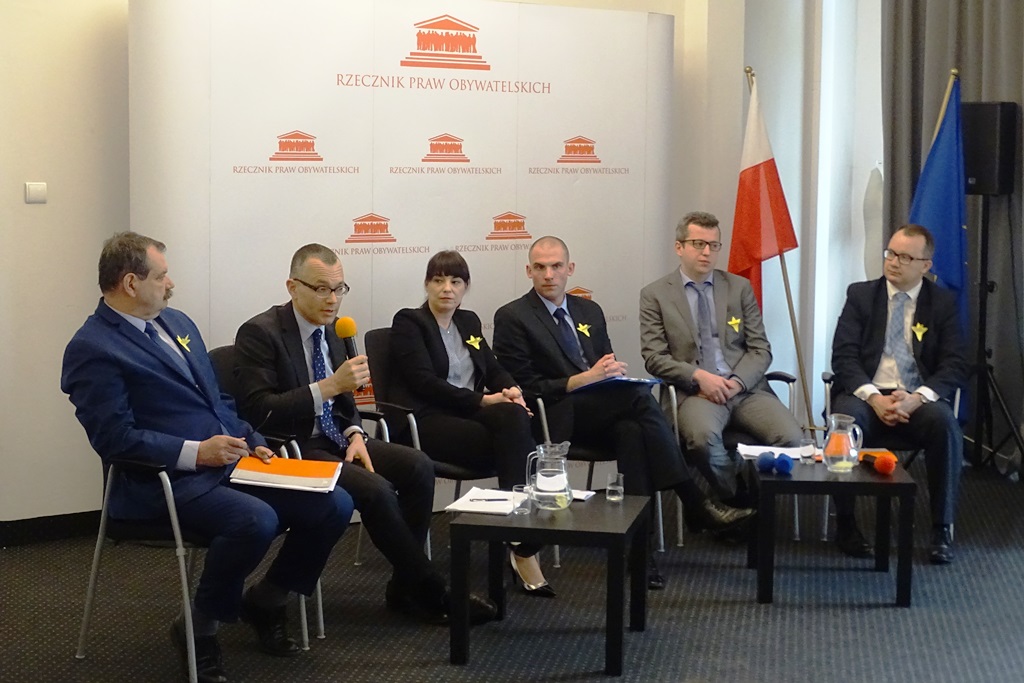
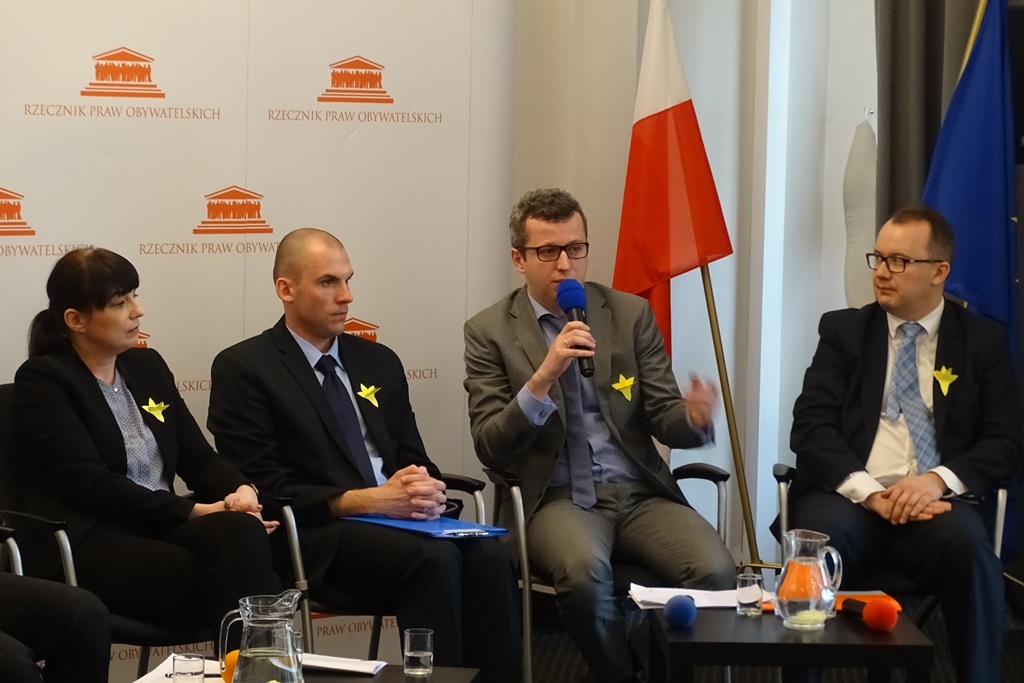
There have been cases of the police using torture against apprehended persons or witnesses in Poland, which has to be counteracted. One of the solutions is to ensure access to a lawyer from the moment of the apprehension, writes Adam Bodnar in his motion to the Minister of Justice. The extensive document contains an analysis of specific cases of inhuman and cruel treatment, which have been confirmed by courts.

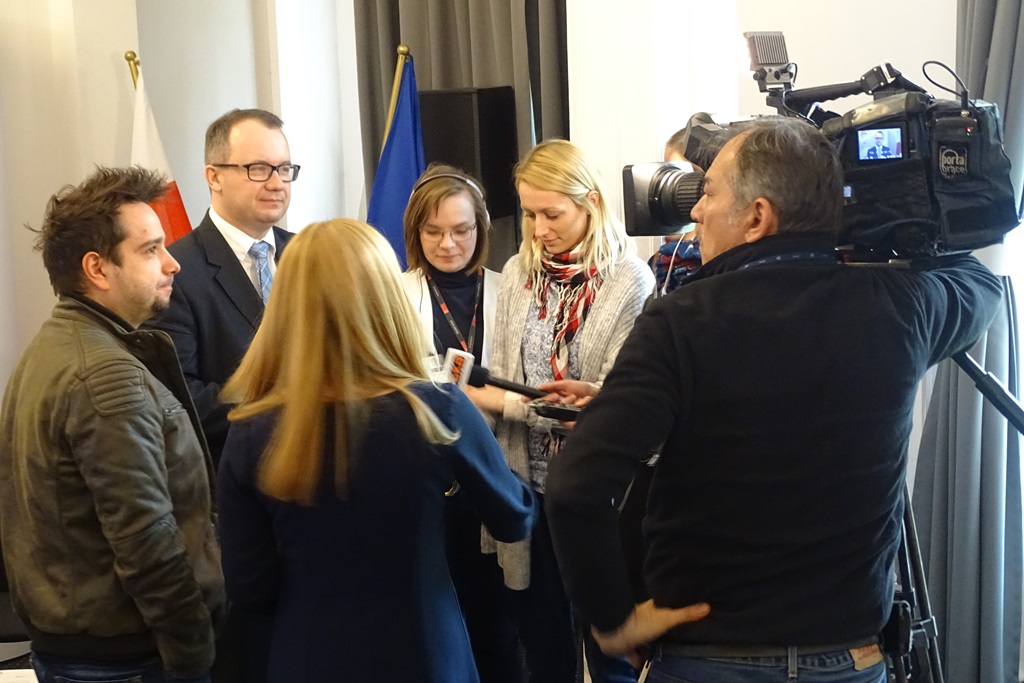
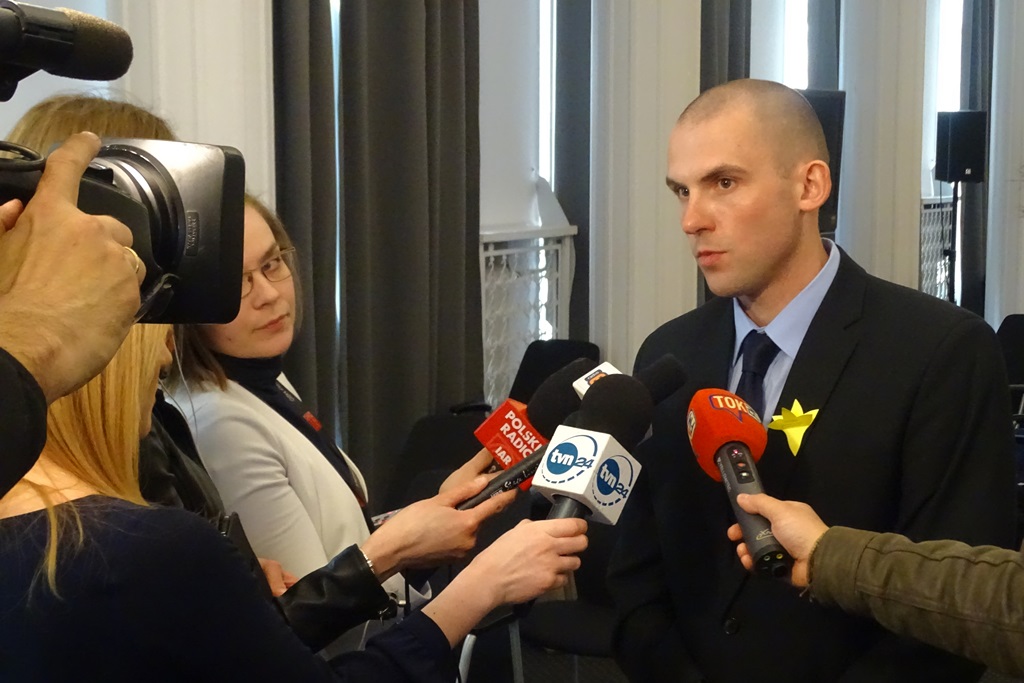
- Why do we need to talk about it? Firstly, because the prohibition of torture, arising from our constitution, has its roots in the "bitter experiences of the past", in the memory of what happened before World War II in Bereza Kartuska or in Stalinist prisons. Therefore, the prohibition has to be strictly observed, said Commissioner for Human Rights Adam Bodnar at a press conference held on 19 April.  – Secondly, torture in Poland takes place in the case of the weakest and poorest persons, those who are unable to cope with the law system themselves. The state has its responsibilities towards such people, and should provide assistance to them from the moment they are detained. Thirdly, torture leaves a permanent mark in a human being. The process of treating such trauma is long-lasting; such experience destroys the trust to the state and its representatives forever, emphasized the CHR at the meeting 


Read more