(EQUINET) Equality Today | Issue 36 | October 2023
Date of article: 31/10/2023
Daily News of: 31/10/2023
Country:  EUROPE
Author:
Article language: en
|
|
|
|
|
|
|
|
|
|
|
|
|
|
|
|
|
|
|
|
|
|
|
|
|
|
|
|
|
|
|
|
|
|
Date of article: 31/10/2023
Daily News of: 31/10/2023
Country: EUROPE
Author:
Article language: en
|
|
|
|
|
|
|
|
|
|
|
|
|
|
|
|
|
|
|
|
|
|
|
|
|
|
|
|
|
|
|
|
|
|
Date of article: 31/10/2023
Daily News of: 31/10/2023
Country: WORLD
Author:
Article language: en
|
|
ARGENTINA | El abordaje del conflicto en la agenda global: 30 años de experiencia en la Defensoría del Pueblo de la Provincia de Santa FeEn julio de 2022 se realizó el Congreso Internacional de Mediación en la ciudad de Rosario, Argentina, organizado por la Defensoría del Pueblo de Santa Fe, con el respaldo del Instituto Internacional del Ombudsman, la Federación Iberoamericana de Ombudsperson, el Instituto Latinoamericano del Ombudsman-Defensorías del Pueblo y la Asociación de Defensorías del Pueblo de la República Argentina. » more information » google translate » google translate (Francais) |
|
|
|
|
|
ARGENTINA | An approach to conflict on the Global Agenda: 30 years of experience in the Ombudsman's Office of the Province of Santa FeIn July 2022, the International Mediation Congress was held in the city of Rosario, Argentina. The translation of the publication on the International Mediation Congress has been financed with the help of the Regional Subsidy Program of the International Ombudsman Institute (IOI). » more information » google translate (Francais) » google translate (Español) |
|
|
|
FRANCE | Un nouveau comité d’entente pour mieux répondre à l’enjeu de l’accès et de l’effectivité des droits des plus précairesDepuis sa création, le Défenseur des droits a dénoncé les atteintes portées aux droits des personnes précaires à l’occasion du traitement des réclamations. En matière d’accès à la santé, de logement, de droits sociaux, des décisions ont permis de porter des recommandations ou d’intervenir devant les juridictions. » more information » google translate » google translate (Español) |
|
|
|
|
|
|
HONG KONG | Ombudsman probes management of records on Government websites and social media accountsThe Ombudsman of Hong Kong, Ms Winnie Chiu, on 24 October 2023 announced the launch of a direct investigation into the management of records on Government websites and social media accounts. With the advancement of information technology, the Internet and social media are playing greater and considerably more important roles in enhancing public administration. » more information » google translate (Francais) » google translate (Español) |
|
|
|
|
|
CANADA | Alberta Ombudsman releases Public Report – Own Motion Investigation into Alberta Criminal Code Review BoardFollowing a complaint, the Alberta Ombudsman launched an own motion investigation to look deeper into whether the CCRB had sufficient rules, policies and procedures in place to ensure administratively fair hearings and decisions. » more information » google translate (Francais) » google translate (Español) |
|
|
|
ESPAÑA | El Defensor del Pueblo recomienda que las ayudas para rehabilitación de vivienda sean compatibles con los complementos a mínimos en pensiones y con el Ingreso Mínimo VitalLa institución Defensor del Pueblo ha iniciado una actuación de oficio y ha enviado dos recomendaciones a la Secretaría de Estado de Seguridad Social y Pensiones para que estudie cambios legales que posibiliten que las subvenciones y ayudas destinadas a rehabilitación de vivienda, que reciben particulares o comunidades de propietarios, queden excluidas y no computen a efectos del límite de ingresos que se exige para la percepción del complemento a mínimos en pensiones contributivas (jubilación, viudedad, incapacidad), así como la percepción de las pensiones no contributivas. » more information » google translate » google translate (Francais) |
|
|
|
|
NEW ZEALAND | Chief Ombudsman calls for council workshops to be open by defaultThe Chief Ombudsman Peter Boshier is calling for councils to open workshops by default to reduce the perception that decisions are being made behind closed doors. The call follows Mr Boshier’s decision last year to test concerns that councils were using workshops and other informal meetings to make decisions. He also looked at the way councils were excluding the public from council meetings. » more information » google translate (Francais) » google translate (Español) |
|
|
|
|
BRAZIL | The Federal Public Defenders’ Office launches guidebooks on inclusive language on Human RightsThe "Guide to Inclusive Language and the Promotion of Human Rights in the Federal Public Defenders’ Office" was created as a tool to guide civil servants, defenders, outsourced workers and trainees in using the appropriate language for an institution that defends human rights. » more information » google translate (Francais) » google translate (Español) |
|
|
|
|
|
|
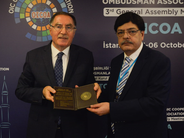
PAKISTAN | Ombudsmen Institutions Safeguard Human RightsHon’ble Ombudsman Punjab Major Azam Suleman Khan (Retd.) (Hilal-i-Imtiaz) attended the 3rd General Assembly Meeting of the Organization of Islamic Countries Ombudsman Association (OICOA) held in Turkey from 5 to 6 October 2023. » more information » google translate (Francais) » google translate (Español) |
|
|
|
|
|
ESPAÑA | La síndica constata un retraso para acceder a los especialistas en salud mentalCon motivo del Día Mundial de la Salud Mental, la institución del Síndic de Greuges ha querido hacer balance de las actuaciones que se han llevado a cabo en materia de salud mental durante los últimos años y de los principales problemas que la afectan, especialmente tras el impacto que supuso la pandemia de la covid-19. » more information » google translate » google translate (Francais) |
|
|
|
|
|
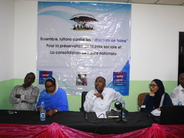
DJIBOUTI | Recontre de proximité du Médiateur de la République au CDC d’EinguellaLe Médiateur de la République et son équipe ont poursuivi leur campagne de sensibilisation à la commune de Boulaos (précisément au CDC d’Einguella), sensibilisation portant sur la lutte des « discours haineux » en ligne. » more information » google translate » google translate (Español) |
|
|
|
|
|
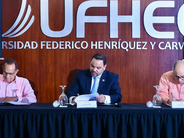
REPÚBLICA DOMINICANA | Defensor del Pueblo y confederaciones sindicales firman convenio para fomentar defensa de derechos laboraresEl Defensor del Pueblo firmó un acuerdo de colaboración con la Confederación Nacional de Unidad sindical (CNUS), la Confederación Autónoma Sindical Clasista (CASC) y la Confederación Nacional de Trabajadores Dominicanos (CNTD) con la finalidad de fortalecer la defensa de los derechos laborales en la República Dominicana. » more information » google translate » google translate (Francais) |
Date of article: 30/10/2023
Daily News of: 31/10/2023
Country:  Spain
- Basque Country
Spain
- Basque Country
Author:
Article language: es
También le pide que evalúe las capacidades de los citados colectivos a los que pretenda obligar a relacionarse con la administración por la vía electrónica
Una persona jubilada planteó al Ararteko su disconformidad con la atención prestada por el servicio de asistencia y atención al contribuyente del Departamento de Hacienda y Finanzas de la Diputación Foral de Bizkaia. Según manifestó, recibió un correo electrónico en el que la administración le conminaba a acceder a una notificación depositada en la sede electrónica. Por ello, decidió consultar al servicio de atención ciudadana el motivo de la comunicación, ya que no había consentido relacionarse con la Diputación por medios electrónicos. Desde el servicio de atención ciudadana se le indicó que, según la normativa foral en vigor, se le consideraba un obligado tributario que debía relacionarse por vía electrónica con la administración tributaria.
En opinión del Ararteko, la respuesta aportada por ese servicio no se ajustó a la legalidad vigente, puesto que la persona reclamante no parece un obligado tributario que deba relacionarse con el departamento citado a través de medios electrónicos. La recomendación recoge la reciente doctrina jurisprudencial, por la cual la obligación de relacionarse con la administración por vía electrónica debe ser excepcional al derecho a elegir el canal de relación de las personas físicas y, en todo caso, exige una evaluación previa de las capacidades de los colectivos a los cuales se pretenda imponer.
De este modo, el Ararteko recomienda a la Diputación que imparta formación interna al personal del servicio de atención ciudadana, con objeto de que la información proporcionada a la ciudadanía resulte ajustada a la legalidad aplicable, además de cercana y comprensible, especialmente para los colectivos afectados por la brecha digital. Por otro lado, también recomienda evaluar la situación y capacidad de los colectivos vulnerables por la brecha digital, con el fin de motivar y justificar si realmente es posible obligarles a relacionarse con la administración a través de medios electrónicos. Por último, a la vista del supuesto analizado, se recomienda practicar las notificaciones de acuerdo con el medio elegido por la ciudadanía no obligada a relacionarse con la administración a través de medios electrónicos.
Date of article: 28/10/2023
Daily News of: 31/10/2023
Country:  Malta
Malta
Author:
Article language: en
All is set for the International Conference hosted by the Office of the Ombudsman in Malta in collaboration with the Association of Mediterranean Ombudsmen (AOM). The theme of the conference theme is “The Right to Good Administration: Myth, Aspiration, and Reality?”.
Set over two days, the event will start on 31st October 2023. The opening will include contributions from Judge Emeritus Joseph Zammit McKeon, Parliamentary Ombudsman of Malta and Secretary General and Treasurer of the AOM, Dr. Andreas Pottakis, Ombudsman of Greece and President of the AOM, and the Hon. Dr. Anglu Farrugia, Speaker of the House of Representatives of Malta, together with a video message from Mrs Emily O`Reilly, the European Ombudsman.
The conference will examine the possible application in domestic law of the right to good administration that is incorporated in Art 41 of the Charter of Fundamental Rights of the European Union. Experts will be submitting presentations that will analyse the subject from a wide spectrum, including human rights and privacy. Finding a balance between the protection of the rights of the person and the demands of the public administration is a matter of ever-increasing interest as it affects the everyday lives of people.
There will also be a session that will focus on the dynamics of State offices and the public administration. A key plenary session will delve into the relationship between these entities, highlighting the need for effective collaboration and mutual respect.
On the second day, 1st November 2023, the conference will be concluded with an address by the Leader of the Opposition, the Hon. Dr. Bernard Grech, and the Prime Minister, the Hon. Dr. Robert Abela.
Foreign participants from Ombudsman and Human Rights Institutions will include Albania, Bosnia & Herzegovina, Cyprus, Egypt, Finland, Georgia, Greece, Italy, Kosovo, Morocco, Poland, Monaco, Serbia, Slovenia, Türkiye, as well as from the Council of Europe and the European Ombudsman.
Date of article: 28/10/2023
Daily News of: 31/10/2023
Country:  Austria
Author:
Article language: de
Trotz Höchstgerichtsurteilen schickt Familienministerium Eltern weiterhin europarechtswidrig auf Behördentour. „Mehrere Missstandsfeststellungen der Volksanwaltschaft, Gerichturteile in erster und zweiter Instanz, und nun auch rechtskräftige OGH-Urteile – was muss noch passieren, bis Familienministerin Susanne Raab endlich einlenkt und die Schikanen gegen Eltern einstellt?“, fragt Volksanwalt Bernhard Achitz: „Auch nach dem Höchstgerichtsurteil melden sich bei der Volksanwaltschaft verzweifelte Eltern, die jahrelang auf das Kinderbetreuungsgeld warten, weil das Familienministerium sie diverse in- und ausländische Behörden abklappern lässt, um irgendwelche Dokumente zu beschaffen, die es gar nicht gibt. Raab muss diese europarechtswidrige Praxis endlich abschaffen, bürger*innenfreundlich vorgehen und das Kinderbetreuungsgeld rasch überweisen.“
Behörde verlangt Formular, das es gar nicht gibt
Ein aktuelles Beispiel: Dorina K. lebt mit ihrem Mann und mittlerweile zwei Kindern seit vielen Jahren in Wien. Sie kümmert sich um die Kinder, der Mann arbeitet in gleich zwei Jobs, einer in Wien, einer in Bratislava. Bis zu ihrem Mutterschutz hat Dorina K. neben ihrem Studium in Wien gearbeitet, nach der Geburt ihrer ersten Tochter 2020 hat sie Kinderbetreuungsgeld beantragt. Beim Kinderbetreuungsgeld gilt das „Beschäftigungsstaatsprinzip“ – das Kinderbetreuungsgeld wird von dem Staat ausbezahlt, in dem ein Elternteil arbeitet. Arbeiten die Eltern aber in verschiedenen EU-Ländern, ist der Wohnortstaat zuständig. Achitz: „Trotzdem wurde sie von der österreichischen Behörde zur Slowakei geschickt, um dort Kinderbetreuungsgeld zu beantragen. Die österreichische Behörde hat von K. ein slowakisches Ablehnungs-Formular verlangt, das es aber dort laut Aussage der slowakischen Behörden gar nicht gibt.
Mittlerweile sind zwei Jahre vergangen, Dorina K. hat ein zweites Kind bekommen. Auch für dieses hat sie Kinderbetreuungsgeld beantragt. Nachdem sich die Volksanwaltschaft eingeschaltet hat und auch die ORF-Sendung „Bürgeranwalt“ nachgefragt hatte, hat K. das Kinderbetreuungsgeld zumindest teilweise auf ihr Konto bekommen, aber ohne Aufschlüsselung.
Europarechtswidrig: Behörde wälzt Verpflichtungen auf Eltern ab
„Seit Jahren kritisieren die Volksanwaltschaft und auch die Arbeiterkammer die familienfeindliche und EU-rechtswidrige Vorgehensweise der Behörden, die auf Weisung der Frauenministerin Eltern massive Hürden in den Weg stellen. Die Pflicht der Behörden, mit Behörden anderer Länder herauszufinden, wer zuständig ist, wird auf die Eltern abgewälzt. Bürger*innenfreundlich und nach EU-Recht geboten wäre, wenn die österreichischen Behörden das Kinderbetreuungsgeld vorläufig auszahlen und im Hintergrund regeln, wer zuständig ist. Trotz Höchstgerichtsurteil melden sich weiterhin Betroffene bei der Volksanwaltschaft, ingesamt bereits mehr als hundert. Eine Reform ist überfällig – sowohl bei der Vollziehung als auch auf gesetzlicher Ebene“, so Achitz.