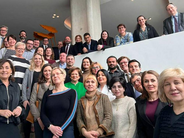
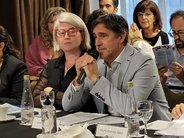
Visita de la asociación sociocultural ASCM

Date of article: 10/04/2023

Daily News of: 11/04/2023

Country:  Spain - Galicia

Author:

Article language: es

La Valedora do Pobo acompañada por el Secretario General recibieron  en la sede de la Institución la visita de la asociación ASCM que es una entidad sin ánimo de lucro que tiene como objetivo prioritario la plena inclusión de las personas con discapacidad.

Los miembros de la asociación estuvieron acompañados en la visita por su Presidenta, Paula Gárate Formoso y su Tesorera, Antonia Espiñeira Freire, y aprovecharon para manifestar sus inquietudes y preocupaciones, entre los que destacan temas relacionados con la accesibilidad.

Read more

National Human Rights Monitoring Report criticises the lack of progress in human rights protection and praises efforts

Date of article: 07/04/2023

Daily News of: 11/04/2023

Country:  Lithuania

Author:

Article language: en

The national human rights monitoring review published by the Seimas Ombudspersons’ Office notes that ensuring equal opportunities in Lithuania’s municipalities mainly involves the creation of documents, without the tools orinstruments provided. Furthermore, the Lithuanian legal system has not yet established a systematic concept of domestic violence, and the latency of violence against women with disabilities remains a serious problem. The Istanbul Convention has not yet been ratified in Lithuania, and the Civil Union Law has not been adopted. In 2022, the largely automatic mass detention of asylum seekers and migrants continued.

The national human rights monitoring report notes positive developments in protection from domestic violence, including the possibility of granting a protection order to the perpetrator, which will come into force in the summer of 2023. Additionally, it is noted that in 2022, amendments to the Labour Code will extend the employer’s obligations to protect workers from violence and harassment, including protection against gender-based violence and harassment. However, it is noted that in the absence of a concept of systemic domestic violence in the Lithuanian legal system, the problem of this type of violence remains poorly understood, and individual episodes of systemic violence are often viewed as isolated.

“Disability-related barriers, dependence on others, stereotypes and attitudes prevalent in society make women with disabilities, especially intellectual or psychosocial disabilities, particularly vulnerable,” points out Seimas Ombudsperson Erika Leonaitė.

The report also notes that the recording of sexual offences, the collection of evidence and the provision of medical assistance should not cause additional trauma to the victims, as sexual offences are a grave violation of the dignity and physical integrity of the person, resulting in intense psychological trauma to the victims.

The report of the Seimas Ombudspersons’s Office notes that legal and organisational measures are being actively pursued to address the issues of accommodation, employment, education, and other issues of war refugees who have arrived to Lithuania since the Russian war against Ukraine, as well as the de facto detention of asylum-seekers and migrants who came in Lithuania through the Belarusian border in 2022.

Positive but insufficient developments in non-discrimination for LGBT+ people

 The national human rights monitoring report notes positive developments in LGBT+ non-discrimination. As of 1 May 2022, amendments to the Procedure for the Health Examination of Blood and Blood Components Donors and for the Collection of Blood and Blood Components of Donors have entered into force, removing from the questionnairequestions on men’s history of intimate relationships with other men (sexual orientation).

“In 2022, unmarried adults diagnosed as transgender have the right to change their name to the one corresponding to their gender identity. However, it is still only possible to change one’s gender marker and the personal identification number through the courts,” reads a report by the Seimas Ombudspersons’ Office.

“Discrimination against transgender people is still invisible and unrecognised in the law, as the current legal framework does not provide sufficient legal protection. Moreover, the protection of the rights of transgender people is not yet based on the principle of respect for personal autonomy and freedom of self-determination,” notes the Seimas Ombudsperson Erika Leonaitė.

The Seimas Ombudsperson notes that research conducted in 2022 on public attitudes in Lithuania reveals that public attitudes toward LGBT + persons have changed only slightly – compared to 2021, public attitudes in 2022 have changed slightly to the positive side, but remain significantly negative: “The provisions of the Law on Protection of Minors from the Negative Effects of Public Information remain a potential basis for limiting the dissemination of public information related to the right of LGBT+ persons to respect private and family life and promote the enforcement of this right.“

The report prepared by the Seimas Ombudspersons’ Office also draws attention to the draft Law on Civil Union, which the Seimas approved after its submission. However, it has not yet been adopted, and it aims to regulate the grounds and procedure for registration, validity, and termination of a civil union, as well as the property and personal non-property rights and obligations of the partners, both for persons of the same sex and of persons of different sex.

Praise for the use of names in personal documents and criticism of the protection of national minorities and religious freedom

“A person’s name and surname are among the elements of a person’s identity and private life. Therefore, by providing in the law for the cases where the names of citizens of the Republic of Lithuania may be written in the Latin alphabet in personal documents, an important step has been taken in protecting private life”, says the Seimas Ombudsperson E. Leonaitė.

However, Lithuania has not yet developed a national strategy to prevent racism, xenophobia, radicalisation and violent extremism, although the European Union’s Strategy to Combat Anti-Semitism and Promote Jewish Life has encouraged countries to do so by 2022.

Furthermore, the national human rights monitoring report notes that no targeted measures, plans, or mechanisms at the municipal level go beyond disseminating information on social assistance issues. However, Lithuanian municipalities report receiving accounts from organisations representing Roma and/or individual Roma about discrimination in the labour market, education system, and housing rental.

The report prepared by the Seimas Ombudsperson’s Office also notes that the Seimas’ decision not to grant state recognition to the ancient Baltic religious community “Romuva”, even after the European Court of Human Rights’ ruling in its favour, shows that the constitutional principle of the separation of church and state is not properly implemented in practice.

It is also noted that the alternative national defence service in Lithuania is not a genuine civilian alternative to military service, as it is subject to the control and supervision of the military, which can lead to a violation of the right to freedom of religion of people who, because of their religious convictions, do not accept military service but agree to perform their civic duties in another way.

The transformation of care institutions is too slow, and the system of deinstitutionalisation is too standardised, with no alternatives used.

The report prepared by the Seimas Ombudspersons’ Office notes that the Law on Equal Opportunities replaced the employer’s obligation to adapt premises with a commitment to provide suitable working conditions for employees with disabilities, thus taking into account the recommendations of the UN Committee on the Rights of Persons with Disabilities, and expanding the employer’s obligations towards employees with disabilities other than mobility.

In terms of changes in the protection of the rights and freedoms of people with disabilities, the report notes positive developments in the continuity of benefits and compensation for families caring for a child with a severe disability due to psychosocial disability at home, as well as changes in the model for assessing disability. The report highlights legislative developments aimed at increasing the accessibility of assisted employment services, allowing for a comprehensive application of the measures, and expanding the possibilities for adapting workplaces and working environments to the unemployed with disabilities and employees after they become persons with disabilities.

However, it is noted that the deinstitutionalisation of social care institutions in Lithuania is taking too long. “The deinstitutionalisation of social care institutions has been underway since 2014, but according to data from the Department of Disability Affairs, 5 829 people were still living in adult social care institutions, and 215 were on the waiting list”, the report states.

The report also notes that the current system of limitation of legal capacity is too standardised and applied to different groups of persons and cases without taking into account their individual needs and that the alternatives to the restriction of legal capacity, such as decision-making assistance and advanced directives, as set out in the Civil Code, are not widely used. In 2022, only one decision support contract and ten advance directives were registered.

Read more

(CoE) Combating discrimination against Roma through history teaching

Date of article: 06/04/2023

Daily News of: 11/04/2023

Country:  EUROPE

Author: Commissioner for Human Rights - Council of Europe

Article language: en

Ahead of International Roma Day on 8 April, the Council of Europe Commissioner for Human Rights, Dunja Mijatović, calls on all states to ensure that the history of Roma is never forgotten, but instead valued and taught to society at large. “History teaching is one of the most important tools contributing to the elimination of prejudice. Preventing and combating discrimination against Roma includes recognising, understanding and remembering their history while empowering and celebrating their culture.”

Across Europe, Roma have had a complex and dark history embedded in violence, stigmatisation, and inequality, from the age of slavery to the Holocaust and pogroms, and the scapegoating in crisis situations.

The impact of pervasive discrimination is still experienced by Roma in today’s Europe in all fields of life, from segregation and exclusion in housing and education to daily anti-Roma rhetoric, often coming from public figures and the media. In some member states, acts of violence and abuse by law enforcement officials have also been reported.

“The persistence of human rights violations against Roma fuels today’s spiral of antigypsyism”, the Commissioner says. A recent illustration of this is the discrimination Roma faced while fleeing the war in Ukraine in accessing shelters and assistance. Other instances of the scapegoating of Roma during crisis and natural disasters have also been mentioned by the Council of Europe Observatory on History Teaching in Europe. The COVID-19 pandemic has again shown a surge in hate speech targeting Roma communities across Europe and discrimination in access to basic services.

“Teaching history of Roma plays a unique role in nurturing critical thinking about the past and the present, and in fostering understanding and tolerance. It also facilitates meaningful engagement in the prevention of prejudice against Roma. Knowledge about the history of Roma can help policy makers and society as a whole to anticipate behaviours and better address today’s obstacles to the full enjoyment of their rights.” Different actions can be implemented in this respect, as stressed by the Council of Europe Committee of Ministers in its Recommendation (2020)2 on the inclusion of the history of Roma and/or Travellers in school curricula and teaching materials.

Roma contribution to European history and culture must also be brought to light and replace old myths and deeply-rooted prejudices, in order to build a common narrative based on the respect of our shared heritage and cultural diversity. The factsheets on Roma history, Romani language, culture and literature elaborated by the Council of Europe should be widely used in the educational systems of member states.

“Today and every day, let’s celebrate Roma and their contribution to our diverse European history, societies and cultures and renew our commitment to end antigypsyism, including by learning about their past and culture.”

Read more

Buone pratiche di vita digitale nelle abitudini dei ragazzi

Date of article: 06/04/2023

Daily News of: 11/04/2023

Country:  Italy - Marches

Author:

Article language: it

Progetto di Garante, Corecom ed istituti scolastici portato avanti con l’associazione “Red – Rete Educazione Digitale”. Hanno partecipato otto comuni delle province di Macerata, Ancona e Fermo

“Villaggio digitale – Buone pratiche di cittadinanza digitale”, progetto di Garante dei diritti , Corecom delle Marche e Istituti capofila Ite “Gentili” di Macerata, Comprensivo di Cerreto e Comprensivo di Montegranaro. L’iniziativa è stata portata avanti con l’associazione “Red – Rete Educazione Digitale”, registrando la partecipazione di 8 Comuni nelle province di Macerata, Ancona e Fermo.

Obiettivo prioritario quello di diffondere le buone pratiche della vita digitale nelle abitudini dei ragazzi di tutte le età per supportarli nella crescita e dare sostegno a famiglie e scuole.

“Questo progetto è stato ideato e costruito nella consapevolezza – sottolinea il Garante Giancarlo Giulianelli – che occorre fornire strumenti validi per affrontare i fenomeni dell’era digitale, capaci di offrire innumerevoli potenzialità, ma anche altrettanti rischi. Si inserisce nell’ambito di una serie di azioni che stiamo portando avanti ormai da tempo, caratterizzata dalla ricerca continua di nuove collaborazioni che permettano un intervento a tutto campo. Il rapporto con le scuole, ovviamente, resta centrale.”

Il Presidente del Corecom, Cinzia Grucci, tiene ad evidenziare che “il nostro Comitato considera l’opera di sensibilizzazione e di educazione come un indispensabile bagaglio di conoscenze e di esperienze non solo per le giovani generazioni, ma anche per gli adulti necessariamente ‘importati’ nel mondo dei social network e dei social media in particolare”.

Sempre Grucci ricorda che “il progetto sta raggiungendo i territori di tre province marchigiane. Un altro ha interessato la provincia di Ascoli Piceno, con il Comune di Folignano, e nel prossimo sarà coinvolta quella di Pesaro Urbino”.

Non a caso, infatti, il Presidente dell’associazione Red, Raffaele Daniele, parla del villaggio che “diventa un festival regionale grazie a Corecom e Garante. È il primo completamente in presenza, dopo i due anni di pandemia, reso possibile dalla costruzione della rete, fatta da istituzioni e associazioni”.

Nel complesso i ragazzi hanno ricevuto la formazione da parte degli esperti di Red, dell’Ast Macerata, delle Università di Ancona e Macerata e da altre associazioni e cooperative su tematiche inerenti dipendenza, legalità, emozioni, affettività ed educazione civica digitale. La formazione non si è fermata solo alla scuola, ma ha coinvolto anche le associazioni sportive e gli anziani.

Le giornate conclusive del progetto sono previste a Montegranaro il 15 aprile, a Macerata dal 20 al 22, a Tolentino il 29, a Cerreto d’Esi il 5 maggio, a Loreto il 14, ad Appignano il 20, a Corridonia il 27. Nella prima decade di giugno sarà la volta di Montefano.

Read more

IOI Ombudsman News 13/2023

Date of article: 06/04/2023

Daily News of: 11/04/2023

Country:  WORLD

Author:

Article language: en


CANADA | Ombudsman to investigate cases of people with development disabilities who are inappropriately housed in hospitals

On 27 March 2023, Ontario Ombudsman Paul Dubé announced a new investigation into the plight of adults with developmental disabilities who are inappropriately housed in hospital due to a lack of supports and services in the community.


» more information

» google translate (Francais)
» google translate (Español)


Ombudsman in Amsterdam

SLOVENIA | Ombudsman in Amsterdam with the Human Rights Commissioner Dunja Mijatović about the influence of artificial intelligence on human rights

The Human Rights Ombudsman Peter Svetina was in Amsterdam, the Netherlands, attending the exchange of views about artificial intelligence and human rights with the Council of Europe Human Rights Commissioner Dunja Mijatović.


» more information

» google translate (Francais)
» google translate (Español)


Les travaux de l’Assemblée Générale extraordinaire de AMP-UEMOA

BÉNIN | Pascal ESSOU prend activement part aux travaux de l’Assemblée Générale extraordinaire de l’AMP-UEMOA à Lomé

Les travaux de l’Assemblée Générale extraordinaire de l’Association des médiateurs des pays membres de l’Union Economique et Monétaire Ouest-africaine (AMP-UEMOA) ont démarré lundi à Lomé en présence de la délégation béninoise composée de Pascal ESSOU, Médiateur de la République et Pascal TCHIWANOU, Directeur de Cabinet.


» more information

» google translate
» google translate (Español)


ESPAÑA | Debemos acercar la institución a aquellas personas que todavía no la conocen

La síndica de Greuges de Catalunya se ha comprometido a implementar una nueva forma de recoger los datos para detectar a los colectivos que aún no conocen la institución. Más allá de las quejas, se quiere actuar con vocación transformadora, y con la óptica de la justicia restaurativa y social.


» more information

» google translate
» google translate (Francais)


CANADA | Rapport spécial — Protection des majeurs inaptes : le Curateur public doit renforcer sa vigilance à l’égard de tuteurs privés qui ne remplissent pas leur rôle

Québec, le 30 mars 2023 – Le protecteur du citoyen, M. Marc-André Dowd, a rendu public aujourd’hui un rapport d’enquête intitulé Sous tutelle, mais toujours vulnérables : protéger les avoirs des majeurs inaptes sous régime de protection privé.


» more information

» google translate
» google translate (Español)


Online event on "Women and Cybercrime"

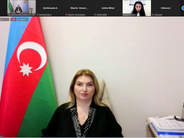
AZERBAIJAN | A staff member of the Ombudsman Office spoke at an online event on 'Women and Cybercrime'

The Head of the Department on Protection of the Right to Information of the Commissioner for Human Rights (Ombudsman) of the Republic of Azerbaijan spoke at an online event on 'Women and Cybercrime' hosted by the United Nations Office on Drugs and Crime (UNODC) Regional Office for Central Asia.


» more information

» google translate (Francais)
» google translate (Español)


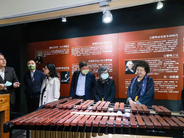
Los miembros del Yuan de Control visitaron el área de exhibición

YUAN DE CONTROL, TAIWAN | El Yuan de Control inspecciona dos instituciones para comprender la promoción de la Industria de la Música, la Cultura, el Arte y las Artesanías

El 2 de marzo de 2023, el Comité de Asuntos Educativos y Culturales y el Comité de Asuntos Domésticos y Étnicos del Yuan de Control inspeccionaron conjuntamente la Orquesta Sinfónica Nacional de Taiwán y el Instituto Nacional de Investigación y Desarrollo de las Artesanías de Taiwán para comprender la promoción de la Industria de la Música, la Cultura, el Arte y las Artesanías del país.


» more information

» google translate
» google translate (Francais)


DENMARK | Digital application form did not ensure that foreign nationals without a passport could apply

The Danish Parliamentary Ombudsman Niels Fenger asked the Agency for International Recruitment and Integration (SIRI) to ensure that also foreign nationals without a valid passport can apply for a residence permit.


» more information

» google translate (Francais)
» google translate (Español)


Presentación del diagnóstico

ARGENTINA | La PPN presentó el diagnóstico penitenciario federal

El informe es resultado de un trabajo desarrollado por la PPN durante dos años que recolecta información de las condiciones materiales y de habitabilidad de todos los centros de reclusión que componen el Sistema Penitenciario Federal.


» more information

» google translate
» google translate (Francais)


GEORGIA | The Public Defender of Georgia presents its current newsletter for January and February 2023

The Public Defender of Georgia presents its newsletter for the months of January and February. Besides introducing Mr Levan Ioseliani as the new incumbent, the newsletter gives information on the activities of the Office of the Public Defender conducted in the first two months of 2023. 


» more information

» google translate (Francais)
» google translate (Español)


Reporte semanal ahora disponible

AMÉRICA LATINA | 65. Reporte semanal “Derechos humanos en perspectiva internacional”

Les hacemos llegar el 65. Reporte Internacional de “Derechos Humanos en Perspectiva Internacional” elaborado por el Programa de Observación y Asistencia para el Fortalecimiento de las Defensorías del Pueblo, que forma parte de la Unidad de Política Institucional de la Defensoría del Pueblo de la Ciudad Autónoma de Buenos Aires (Argentina).


» more information

» google translate
» google translate (Francais)
Read more