La difensora civica Veronika Meyer ha presentato al presidente Arno Kompatscher una relazione sulle questioni trattate nel primo anno: dalla mobilità alla sanità, fino alla digitalizzazione.
La difensora civica Veronika Meyer ha presentato al presidente della Provincia Arno Kompatscher i risultati del suo primo anno di mandato. In un colloquio, ha spiegato il suo lavoro svolto fino ad oggi e ha riferito sulla varietà delle tematiche affrontate. Si va dalle questioni relative alla mobilità, alla sanità e ai servizi sociali, agli alloggi e all'edilizia, alle tasse e alle imposte, fino ai temi della digitalizzazione e alle controversie personali per cui i cittadini hanno chiesto sostegno.
Il presidente Kompatscher ha ringraziato la difensora civica Meyer per il suo prezioso lavoro: "La Difesa civica è un punto di contatto a bassa soglia per i cittadini quando si tratta di preoccupazioni e problemi nel settore della Pubblica amministrazione. Il suo importante servizio in termini di amministrazione trasparente e centrata sul cittadino è da tempo indispensabile".
La difensora civica Meyer ha sottolineato il ruolo di mediatore tra l'Amministrazione e la popolazione: “Ci consideriamo un organismo indipendente che riceve i reclami, fornisce informazioni e consigli e media i conflitti tra i cittadini e la Pubblica amministrazione”.
I compiti della Difesa civica comprendono l'esame delle segnalazioni, la fornitura di informazioni, la consulenza e la mediazione.
La Difesa civica può essere contattata al numero 0471 94 60 20 o via e-mail all'indirizzo post@volksanwaltschaft.bz.it. I colloqui non si tengono solo all'ufficio di Bolzano, ma anche regolarmente, più volte al mese, nei vari distretti dell'Alto Adige.
Le date attuali sono disponibili sul sito web www.difesacivica-bz.org. Per ricevere consulenza è necessaria la registrazione.
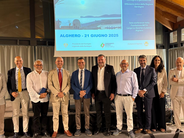
Il Difensore civico della Provincia di Trento ha partecipato alla riunione del Coordinamento nazionale dei Difensori civici delle Regioni e delle Province autonome che si è tenuta ad Alghero nelle giornate del 20 e 21 giugno, ospitata dal Difensore civico della Regione Sardegna.
Nel corso dei lavori i membri hanno approfondito i temi trattati durante l’incontro con la Commissione per l’accesso ai documenti amministrativi del 4 giugno scorso (tra cui la mancata ostensione dei documenti da parte delle Amministrazioni a seguito della pronuncia, formulata dal Difensore civico, in caso di illegittimità del diniego dell’accesso agli atti, il riesame del controinteressato, l’accesso alla documentazione sanitaria di cui all’art. 4 L. 24/2017), alcune problematiche condivise in ambito locale, la proposta di istituzione della Giornata Nazionale della Difesa civica, nonché l’incontro con il neoeletto Garante per la disabilità ed il Garante per la protezione dei dati personali. Hanno inoltre concordato la programmazione delle attività del Coordinamento dei prossimi mesi ed hanno ricevuto un aggiornamento in merito allo stato della redazione della Relazione del 2024 sull’attività svolta dal Coordinamento nazionale.
Alla riunione del Coordinamento ha fatto seguito, nella mattinata del 21 giugno, la conferenza dal titolo “La difesa civica: tra l’accesso agli atti e i silenzi della Pubblica Amministrazione”, organizzata dal Difensore civico della Regione Sardegna, alla quale hanno partecipato anche il presidente ANAC, dott. Busia, ed alcuni ospiti internazionali.
Durante la conferenza sono stati approfonditi i temi dell’accesso agli atti, della trasparenza, del silenzio della Pubblica Amministrazione e del ruolo del Difensore civico a difesa del cittadino. Il Difensore civico sardo ha commentato la buona riuscita dell’evento evidenziando che “in un momento storico in cui i cittadini chiedono sempre più trasparenza e efficacia dall’Amministrazione pubblica, il ruolo del Difensore civico si conferma essenziale come garante dei diritti, promotore di accesso e contrasto ai silenzi burocratici. Continueremo a lavorare con determinazione per rafforzare questa funzione fondamentale, sempre più vicina alle esigenze delle comunità locali e all’innovazione delle procedure amministrative”.
The Ombudsman has written to the Chief Executive of the Northern Ireland Housing Executive to say she has commenced an 'own initiative' investigation into the organisation.
The decision follows the Ombudsman’s consideration of the Housing Executive’s response to her investigation proposal from earlier this year.
Join the African Ombudsman Research Centre, the research and training arm of the African Ombudsman and Mediators' Association, for their High-level webinar on n Strengthening Ombudsman Impact. This event, organised in partnership with the International Ombudsman Institute (IOI), will take place on Tuesday, 15 July 2025 at 10 am (GMT+2). Kindly click here to see the Save-the-Date note.
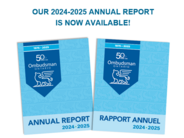
Ontario Ombudsman Paul Dubé’s tenth Annual Report, released on 25 June 2025, reflects record and near-record complaints in several areas of his jurisdiction, including those focused on the rights of vulnerable children, people with disabilities, inmates and Ontarians seeking services in French.
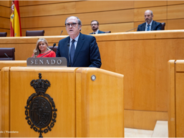
El Defensor del Pueblo, Ángel Gabilondo, ha concluido la tramitación parlamentaria del Informe anual 2024 de la institución, tras comparecer el 18 de junio de 2025 en el Pleno del Senado.
A government that truly serves its citizens makes plans that are realistic and feasible. Cabinet plans should never lead to unrealistic or unlawful plans for which others would get the blame if and when things go wrong. That is what the Ombudsmen write in their 2024 Annual Report, which is availiable now.
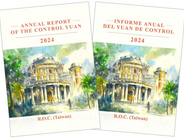
The English and Spanish versions of the 2024 Annual Report of the Control Yuan (CY) have now been released. In 2024, the CY received 15,342 people’s complaints; issued 283 investigation reports; passed 27 impeachment cases and 1 censure case, as well as proposed 101 corrective measures cases.
The Provincial Ombudsman Sindh, Mr. Muhammad Sohail Rajput, inaugurated the one-of-its-kind Climate & Disaster Justice Unit, a pioneering initiative to ensure expeditious and justifiable redressal of complaints stemming from climate-related and man-made disasters. The Unit will be a fast-paced mechanism resolving issues of delay, corruption, or neglect in relief, rehabilitation and public service delivery. It will be working on safeguarding vulnerable groups, inclusive governance, and coordination with UN agencies, NGOs, and civil society.
The Legislative Assembly of British Columbia’s Special Committee to Appoint Statutory Officers is currently accepting applications for the position of Ombudsperson. The deadline for applications is Friday, August 8, 2025. Kindly click here for more information.
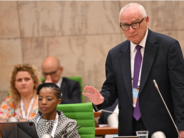
On 12 June 2025, the Office of the Ombudsman in Malta officially launched its 30th Anniversary commemorations with a Thematic Lecture held at the Plenary Hall of the House of Representatives. Entitled “Transparency, Fairness, Accountability: Cornerstones of Good Administration – The Mandate of the Ombudsman,” the lecture brought together Members of Parliament, senior public officials, civil servants, academics, civil society representatives, and other stakeholders for a timely reflection on the essential values that underpin good governance and public administration.
On the occasion of the meeting of the National Coordination of Italian Regional Ombudspersons, held in Alghero on 20–21 June 2025, two distinguished international guests took part in the proceedings: Xavier Cañada Bonaetxea, Raonador del Ciutadà of Andorra, and Javier Hernández Garcia, former Lugarteniente of the Justicia de Aragón. Their active participation confirmed the growing centrality of the Italian Ombudsman system in the European context, particularly in matters relating to fundamental rights, access to public administration, institutional mediation, and the protection of vulnerable individuals.
A government that truly serves its citizens makes plans that are realistic and feasible. Cabinet plans should never lead to unrealistic or unlawful plans for which others would get the blame if and when things go wrong. That is what the Ombudsmen write in their 2024 Annual Report. They are critical of the outgoing Cabinet that had said that it would look at all possibilities. “We saw a government that ignored signals, advice and rights and thus systematically sidetracked groups of citizens.”
In 2024, 27.000 citizens, children and veterans contacted the National Ombudsman, Ombudsman for Children or Ombudsman for Veterans for help. This is an increase compared to the previous year. Many of the complaints could have been prevented if the government had listened to signals from society sooner.
Involve those who are affected
This is why the Ombudsmen called on public authorities to: listen to citizens and involve them in the process of making laws and regulations. This also applies to administering agencies. Their knowledge of what works in practice is underutilised. This results in policies that affect people but did not involve them in their development.
Examples are school transport that does not meet the needs of children with disabilities or municipalities that label emotional citizens as being ‘aggressive’ and break contact with them without investigating the reason for their behaviour. In addition, advice from institutions that should protect the state under the rule of law are not taken seriously. This is the case with new asylum legislation, for example, which resulted in improper governance.
Reinier van Zutphen, National Ombudsman: “If signals from society, administering agencies and supervisory institutions are not heard or are deliberately ignored, citizens will pay the price. The state under the rule of law does not protect itself. It requires a government that listens systematically and makes well-considered decisions.”
More to impress than for the good of citizens
According to the Ombudsmen, actually helping people does not appear to be a priority in political debate. “Bills, motions and amendments are designed more to impress than for the good of citizens. Unrealistic promises create wariness and undermine trust and confidence in the government, particularly among the people for whom the plans were intended.”
There are plans to improve the accessibility of services, for instance, but long-term investments in administering agencies and municipalities are lacking. And although generous compensation was promised to those affected by the benefits scandal, parents have now been waiting an average of 78 weeks for a response to their objection. There is still no solution for tens of thousands of parents.
Acknowledge mistakes and fix them
The Ombudsmen acknowledge that the government will never be flawless. But when things go wrong, citizens should have the confidence that the government will acknowledge and rectify the problem. Yet this often still goes wrong. In 2024, the National Ombudsman published his third report on Q fever patients. These patients are still waiting for apologies, recognition and help. 15 years on and despite repeated requests by the Ombudsman, apologies have still not been received.
But there are also good examples. The Dienst Uitvoering Onderwijs (Education Executive Agency of the Netherlands, DUO) acknowledged that an algorithm had discriminated against students with a migrant background when checking their eligibility for student grants. DUO apologised and is working on financial compensation for the affected students. So it is possible to treat people fairly. “Attaining your rights is not something that you first have to earn. Nor is it something that you only get once things have gone wrong”, write the Ombudsmen. “The government must always treat everyone in a proper manner. Even in cases where it is not a matter of moral or other guilt, or recovery.”
‘Deafening silence’
For the second consecutive year, the National Ombudsman is presenting its Annual Report to the House of Representatives during a caretaker period. While people are desperate for solutions, the Cabinet is standing on the sideline and politicians look on. Four years ago, Van Zutphen spoke of a caretaker silence after the fall of the Rutte III Cabinet. His opinion now is harsher: “It has been truly deafeningly quiet over the past two years.”
According to the Ombudsman, the government has been letting people muddle along. “The benefits scandal is never-ending, reinforcements in Groningen have been delayed by four years and fuel poverty is being combated with emergency funds. There are no long-term solutions even though people are entitled to fair and effective governance.” Van Zutphen calls on politicians to: “Listen to what people need, be honest about what the government can and cannot do, and above all: do what you promise. It is time to take responsibility and act for the citizens of today and for future generations.

 Italy
- Bolzano
Italy
- Bolzano