IOI Ombudsman News 20/2018
Date of article: 18/05/2018
Daily News of: 18/05/2018
Country:  WORLD
WORLD
Author:
Article language: en
 |
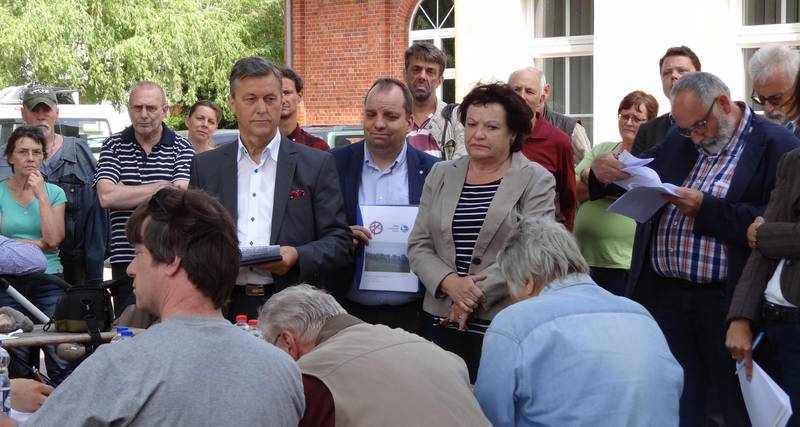
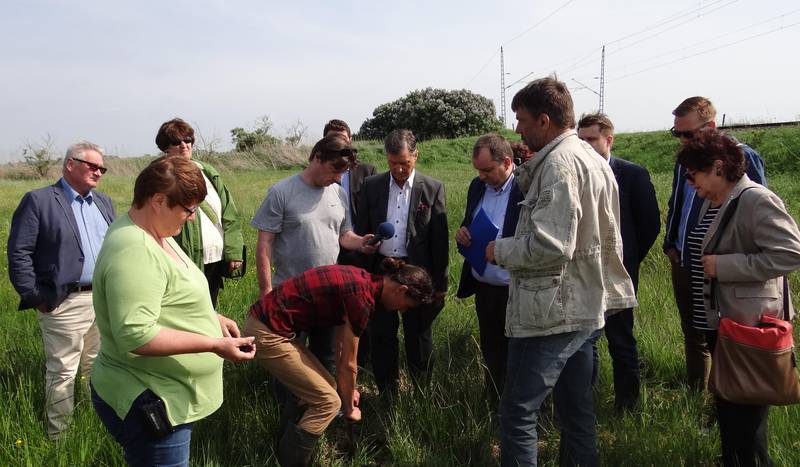
SPAIN | Successful workshop on good environmental governance held in the Basque CountryAn international workshop on “Good Environmental Governance” was hosted by the Office of the Ombudsman of the Basque Country (Ararteko), Manuel Lezertua, and held in Vitoria-Gasteiz, Spain, this week. » more information » google translate (Francais) » google translate (Español) |
|
|
|
Armenia | Human Rights Defender became full member of European Network of Ombudspersons for ChildrenThe Human Rights Defender's Institution became full member of the European Network of Ombudspersons for Children. Full membership will provide new opportunities for the exchange of experience and necessary information.
» more information » google translate (Francais) » google translate (Español) |
|
|
|
|
Carribean | Regional President reports on productive IOI Board MeetingOmbudsman Dr. Nilda Arduin reports on productive meeting at the Headquarters of the United Nations in New York and Board meetings of the International Ombudsman Institute (IOI) in Toronto. The event held to launch the IOI's recent publication on the history of the IOI and to celebrate its 40th anniversary aimed to provide a platform for exchange between the IOI, the UN and other relevant stakeholders, as well as discuss the role of Ombudsman institutions in implementing the Agenda 2030 and the Sustainable Development Goals (SDG), identifying the challenges, opportunities and best practices in this context. » more information » google translate (Francais) » google translate (Español) |
|
|
|
|
 |
BÉNIN | Audience foraine du Médiateur - prévention des crises dans le Parc de la Pendjari au cœur des échangesLe Médiateur de la République a eu plusieurs séances de concertation avec les conseils communaux de Tanguiéta et de Matéri à Tanguiéta, les Associations villageoises de gestion des réserves de la faune (AVIGREF) et les responsables de la nouvelle administration qui gère actuellement le Parc de la Pendjari les 2 et 3 mai 2018. Ces séances de concertation se situent dans le cadre des activités des audiences foraines organisées par l’institution du Médiateur de la République. L’objectif visé est la recherche d’un mieux-être et d’une bonne administration au service des populations. Le but est aussi d’appuyer tous les acteurs impliqués dans la préservation du Parc de la Pendjari aux fins d’avoir une meilleure gouvernance administrative. » more information » google translate » google translate (Español) |
|
|
|
Australia | IGT announces investigation into use of garnishee noticesOn 16 May 2018, the Inspector-General of Taxation (IGT), Mr Ali Noroozi, announced an investigation into the allegations made during the ABC Four Corners program, aired on 9 April 2018, regarding Australian Taxation Office’s (ATO) use of garnishee notices. Garnishee notices are the most common form of firmer action used by the ATO to recover tax debt. Such notices require third parties to pay the money they owe to a taxpayer to the ATO in satisfaction of the tax debt owed by that taxpayer. Accordingly, the cash flow of affected taxpayers may be disrupted with potentially severe impact on vulnerable small businesses and individuals. » more information » google translate (Francais) » google translate (Español) |
|
|
|
|
México | Presidente de la CNDH presenta informe anual de actividades 2017El pasado 8 de mayo del 2018 el presidente de la Comisión Nacional de los Derechos Humanos (CNDH), Luis Raúl González Pérez, presentó el informe anual de actividades 2017 de la CNDH ante el poder judicial de la federación. En su discurso, criticó la realidad mexicana en cuanta a la inseguridad, la violencia, la corrupción y la impunidad que se han extendido en todos los ámbitos de la vida nacional y la consiguiente desconfianza en las instituciones públicas por parte de la sociedad. Por lo tanto, aboga por una institucionalidad democrática que se respeta y por el alcance y la vigencia de los derechos humanos y derechos fundamentales de las personas.
» more information » google translate » google translate (Francais) |
|
|
|
|
South Africa | Public Protector worried about the safety of whistle-blowersFollowing reports of continued political killings in KwaZulu-Natal, Public Protector Adv. Busisiwe Mkhwebane has raised concerns about the safety of whistle-blowers linked to an investigation she is conducting in one of the province’s municipalities. Last October, Adv. Mkhwebane launched an investigation into allegations of maladministration, corruption and imprudent use of public funds by the Umzimkhulu Local Municipality. The investigation is in connection with the appointment and payment of service providers for the refurbishment of the dilapidated Umzimkhulu Memorial Hall. » more information » google translate (Francais) » google translate (Español) |
|
|
|
|
Argentina | Las Defensorías NNyA promueven la creación de Defensorías y la designación del Defensor del Niño de la NaciónDefensores y Defensoras de Niñas, Niños y Adolescentes de las Provincias de Córdoba, La Pampa, Misiones, Santa Fe y Santiago del Estero –con el apoyo de UNICEF Argentina– se reunieron este lunes y martes en el 1° Encuentro Nacional de Defensoras y Defensores de Derechos de niñas, niños y adolescentes realizado en la ciudad de Posadas, Misiones. El objetivo del encuentro fue generar un espacio de intercambio de experiencias, lecciones aprendidas y buenas prácticas en la promoción y protección de derechos de la niñez desde el ámbito defensorial y acordar un plan de trabajo común entre las cinco Defensorías específicas de niños, niñas y adolescentes. » more information » google translate » google translate (Francais) |
|
|
|
|
 |
Poland | Ombudsman meets UN High Commissioner for Human RightsPolish Ombudsman Adam Bodnar met with UN High Commissioner for Human Rights Zeid Ra’ad Al-Hussein in Geneva. The conversation focused on the most important problems related to the protection of human rights in Poland, including the situation of the judiciary and threats to the rule of law. » more information » google translate (Francais) » google translate (Español) |
|
|
|
UK | Ombudsman for the Armed Forces signs Time to Change pledgeIn a demonstration of her commitment to making the OSCO a supportive work environment, Nicola Williams, the Service Complaints Ombudsman for the Armed Forces signed the Time to Change pledge this afternoon. In doing so, the OSCO has joined the ranks of over 700 employers in England who have signed the pledge. Time to Change is a campaign that aims to change the way we talk and think about mental health in order to remove the stigma and end discrimination. » more information » google translate (Francais) » google translate (Español) |
|
|
|
|
Argentina | Se presentó en la Feria del Libro la evaluación de políticas públicas de RosarioEl defensor del Pueblo de la provincia, Raúl Lamberto, y el profesor Hugo Quiroga, encargado del equipo de investigación, explicaron en Capital Federal la génesis y el desarrollo del trabajo que auditó el cumplimiento de políticas públicas a nivel local desde el enfoque de Derechos Humanos. » more information » google translate » google translate (Francais) |
|
|
|
|
Pakistan | Ombudsman Sindh saves career of Ned University studentA student of NED University and some of his colleages approached Mr. Asad Ashraf Malik, Provincial Ombudsman Sindh, stating that although NED University of Engineering & Technology had announced a B.Tech Conversion Programme for students who had completed B.Tech (Pass) in a different field of engineering, entitling them for admission in 3rd year Bachelor of Engineering (B.E), admission was declined to them. The Ombudsman issued directives to the university to enquire and report and to the Vice Chancellor to streamline a procedure of admission in the university so that no student should suffer in the future.
» more information » google translate (Francais) » google translate (Español) |
|